
Importance of Disinfecting the Tap or Well Pump before Water Quality Testing
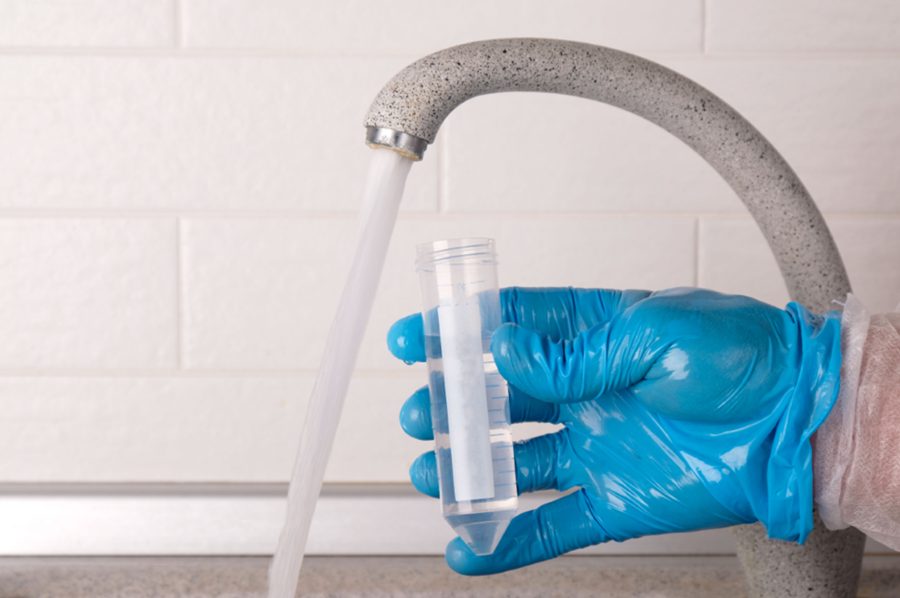
Drinking water sources such as a wells are not the only location where microbial fecal pathogens can thrive. Bacteria from the environment, hands, dust, biofilm or residual moisture can also be present on and within faucets, taps, well pumps, and other mechanisms in the flow of water.
When we collect water samples for E. coli or Total Coliform bacteria testing, harmful organisms can easily make their way into sterile sample collection bags or vessels. This can introduce the possibility of false positive test results, which incorrectly suggest the water is contaminated rather than the tap, pump, or sample collection vessel. False positive test results can lead to unnecessary water remediation efforts, costs, and anxiety.
Bacterial growth media for E. coli and Total Coliforms are sensitive substances. To eliminate all contamination risks, a more thorough and rigorous disinfection of tap and pump spigots is needed.
Here is a summary of how to disinfect taps and faucets:
- Wear gloves to maintain hygiene and prevent contamination.
- First, remove any tap attachments like strainers or aerators.
- Then, sanitize the tap and area with 70% Isopropyl alcohol or 100 mg/L chlorine solution. Disinfect the tap more thoroughly with Isopropyl alcohol or a 100 mg/l free chlorine solution using a clean paper towel. Alternatively, submerge the mouth of the tap in a small cup or bag containing the disinfectant, allowing one minute of contact time.
- Then, allow the disinfectant to air dry for one minute or more.
- Then, run the tap on full flow for three to five minutes to clear the water line of stagnant water.
- Then, reduce the flow rate to achieve a slow and steady flow
- Avoid direct contact with the faucet and carefully collect the water sample in a sterile container or Thio-Bag. Do not touch the inside of the sterile sample container, lid, or Thio-Bag.
Pump spigots require similar disinfection steps:
- Wear gloves to maintain hygiene and prevent contamination
- Rinse the spigot with clean water to remove any debris
- Use a disinfectant solution (like 70% isopropyl alcohol) to wipe the spigot thoroughly.
- Allow the disinfectant to sit for at least 30 seconds for effective disinfection.
- Rinse the spigot again with clean water to remove any residual disinfectant.
- Collect the water sample directly from the disinfected spigot without touching the inside of the sample container, lid, or Thio-Bag.
Disinfecting taps or pumps is a critical step in good sampling technique that protects the integrity of test results. Proper disinfection is well worth the small amount of time and effort required to increase your confidence in microbial test results.