Total Dissolved Solids in Well Water
Guest post by Christopher Roemmele, PhD
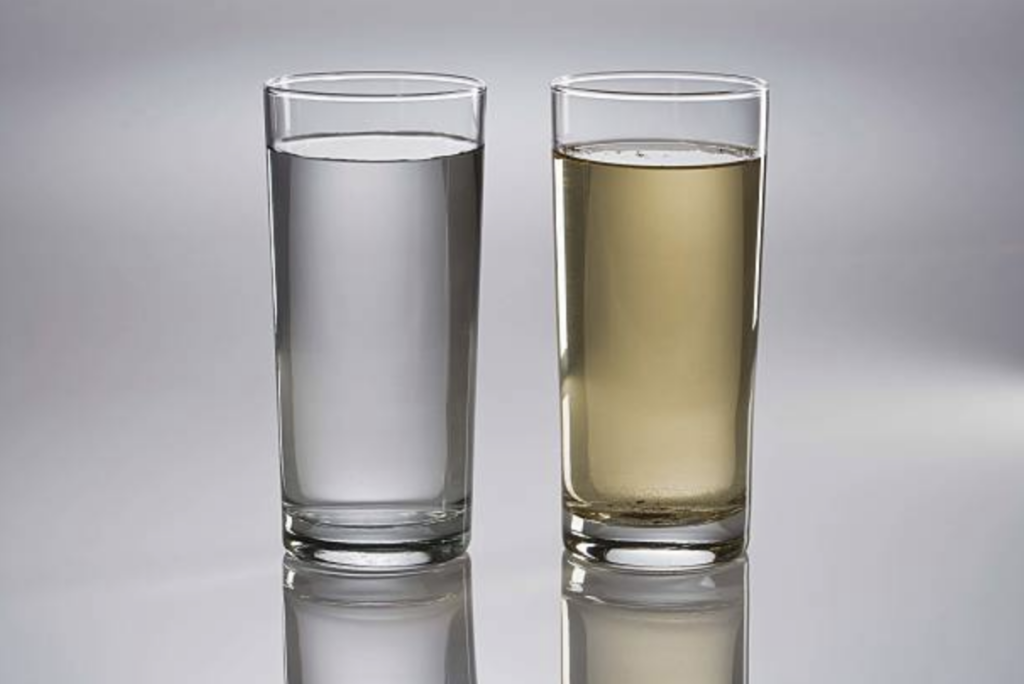
That glass of water from your faucet or at a restaurant or hotel looks crystal clear. You probably have no hesitation drinking it. We presume it is potable and clean enough to drink. But is it really? Is that water just H2O? What else is in it besides hydrogen and oxygen?
Water from a faucet, whether through municipal pipes or your own well, is not the same everywhere, even in the same community. When you move around the country or travel abroad, water tastes different. For instance, when I was in Iceland, tap water, local bottled water, coffee, and anything water-based tasted really different. The difference in taste was staggering. The water was so good!
Differences in taste and appearance of water are most likely due to Total Dissolved Solids (TDS) in the groundwater. In Iceland, other contributing factors are likely melting glacier water that interacts with the rocks and geothermal conditions of the area.
Water from private wells is an essential source of drinking water for millions of people around the world. Well water comes directly from underground aquifers and is not typically treated before it reaches your tap or faucet. Groundwater naturally interacts with rocks, soil, and minerals, and so it often contains dissolved substances such as minerals, salts, metals, and organic matter. Understanding TDS can help well owners assess the condition of their water, determine whether treatment is necessary, and ensure their water is safe to use.
Using a TDS meter to assess your groundwater will give you a number in parts per million (ppm), which is equivalent to milligrams per liter (mg/L). However, that number does not tell you whether the dissolved material is rather harmless calcium or something more lethal like arsenic or lead.
Common TDS components include calcium, magnesium, sodium, potassium, bicarbonates, chlorides, sulfates, and small amounts of organic matter, all of which can change the taste and appearance of your water and its impact on your property.
The amount of TDS in well water varies greatly depending on local geology, well depth, and environmental conditions. Most of the time, rocks are the culprit regarding TDS. As groundwater moves through layers of rock and soil, it dissolves naturally occurring minerals. Your well draws water from rock formations that have been dissolving minerals into groundwater for a long time. Wells located in areas with limestone rock formations often have higher TDS levels because these rocks readily dissolve the calcium and magnesium into the water. Salt deposits add sodium and chloride. Volcanic rock contributes silica and feldspar, which water can alter to various clay minerals.
Well depth is a factor too. If your well is shallow, 50-100 feet, the TDS will most likely be less than a well drilled down 300- 500 feet. Deeper groundwater has been underground longer and in contact with more rock and minerals to dissolve as it percolates through the rock.
Although geology and depth are influential, environmental factors such as agricultural runoff, road salt (especially post-winter season), septic systems, and road and building construction activities can also contribute additional TDS. Your well water’s TDS concentration can also be impacted by seasonal changes, brought on by drought conditions or heavy rainfall from tropical storms or hurricanes. These are all situations that, if you are aware are happening or affect where you live, should initiate testing your well water for TDS.
Even if you don’t test your well water, you may notice that varying TDS levels in your water can have undesirable effects. Water with high TDS might be salty or bitter depending on the mineral in the water. High TDS can corrode your well casing and piping and cause leaks, or could cause scaling and buildup in pipes and within any water-using appliance. That slows the flow rate, water pressure, and shortens the life of your appliance. If you wash dishes or clothes in water with higher TDS, they might deteriorate faster from the abrasiveness of the minerals interacting with other solids (i.e. fabric from a shirt, dishes).
While we generally do not want any TDS in our well water (not very pleasant to drink with a flat taste), we do want some. The US Environmental Protection Agency recommends a limit of 500 ppm as safe and ideal, primarily for aesthetics. Those numbers are for municipalities to follow, but private well owners can heed the limit as well. Testing for TDS should be done regularly, at least once a year, and not just with a standard TDS probe. You will want to send water samples to a private certified lab to get a detailed report to distinguish your TDS composition as to whether it is iron, manganese, copper, zinc, or uranium.
Several treatment methods can reduce TDS when necessary. Reverse osmosis systems are among the most effective technologies, removing up to 95 percent of dissolved solids. Distillation systems also produce very low TDS water by evaporating and condensing water vapor. The most appropriate treatment method depends on the specific contaminants present and the intended use of the water.
By understanding TDS levels and maintaining regular water quality assessments, well owners can make informed decisions about treatment options and ensure their water remains safe, reliable, and suitable for everyday use. And, if you do visit Iceland, enjoy drinking the water there!
Christopher Roemmele, PhD., is Associate Professor and Assistant Chairperson of Earth and Space Sciences at West Chester University, PA
Key Terms
Total Dissolved Solids: Measure of the total concentration of dissolved inorganic and organic substances in a liquid
Aquifer: An underground layer of rock, sediment, or soil that is saturated with water and can store and transmit significant amounts of groundwater.
Aquagenx Well Water Test Kits
•P/A test results for E. coli and Total Coliforms, 100mL samples
•Distinguishes between E. coli and Total Coliforms
•Simple test, color change test results easy to interpret
•No labs or electricity required
•Room temperature incubation at 77° Fahrenheit and above
•Room temperature test results in 20-48 hours
•Three year shelf life of E. coli growth medium when stored properly
Buy on Amazon & Walmart
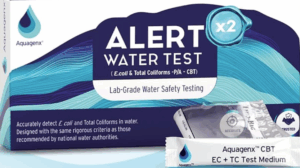
Buy kits that contain 2, 5, or 10 tests
Buy In Bulk from Aquagenx
Buy kits that contain 25, 50 or 100 tests