Ebola Virus and Drinking Water
What Is Ebola Virus
Ebola disease is caused by a group of viruses known as orthoebolaviruses, formerly ebolavirus. Four types of orthoebolaviruses cause illness in people:
- Ebola virus (species Orthoebolavirus zairense) causes Ebola virus disease
- Sudan virus (species Orthoebolavirus sudanense) causes Sudan virus disease
- Taï Forest virus (species Orthoebolavirus taiense) causes Taï Forest virus disease
- Bundibugyo virus (species Orthoebolavirus bundibugyoense) causes Bundibugyo virus disease
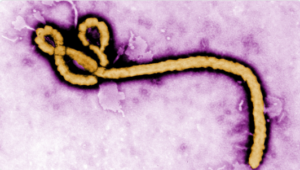
These viruses can cause serious illnesses that without proper treatment can result in fatalities. People with Ebola might initially experience symptoms such as fever, aches, pains, and fatigue. As the disease progresses, symptoms might include diarrhea, vomiting, and bleeding that can be severe hemorrhaging.
Symptoms might start to appear two to 21 days after contact with an orthoebolavirus. Average symptoms begin eight to 10 days after exposure.
Transmission of Ebola disease is through contact with the blood or bodily fluids of an infected person, or dead person during funeral or burial practices. Bodily fluids include urine, saliva, sweat, feces, breast milk, and amniotic fluid. Exposure can also be through objects such as needles, medical equipment, or bed linens that are contaminated with infected bodily fluids. The disease requires broken skin or mucous membranes (eyes, nose, mouth) for bodily entry.
2026 Outbreak in Africa
On 16 May, 2026 the World Health Organization (WHO) declared that the spread of Ebola virus in the Democratic Republic of Congo and Uganda was a global health emergency.
This outbreak is caused by the Bundibugyo virus, a rare variant of Ebola with no approved vaccines or specific antivirals
The WHO says the outbreak meets criteria for an “extraordinary” public health event due to:
- Rapid spread in remote, hard-to-reach areas
- High fatality risk (historically 25–50% for Bundibugyo)
- Urban spread and deaths of healthcare workers
- Risk of further spread via population movement and conflict-related displacement
Ebola Virus and Drinking Water
It is generally thought the Ebola virus is not transmitted through drinking water contaminated by feces and urine and is not a waterborne illness like cholera or other pathogens. However, very little is known about the survival of the Ebola virus in feces and sewage, and it should not be assumed the virus quickly disappears when it is introduced into the environment. According to the WHO, there is no evidence to date for transmission of the Ebola virus through contaminated drinking water.
The Ebola virus does not survive well in water because water lacks the protective environment of bodily fluids and deactivates in a short period of time. Each Ebola virus is encased in an envelope taken from the membrane of a host cell. Viruses such as Ebola depend on the host cells of human or animal bodies to survive and they are not resistant outside the body for long periods of time.
Although Ebola is not an enteric (intestinal) virus, it is known to be present in fecal matter and other materials shed by sick people because of the bleeding they experience, causing the virus to be present in fecal waste and other bodily wastes. The virus is thought to be quite labile or fragile compared to the human enteric viruses found in fecally contaminated water. Even if there are host cells infected with the Ebola virus in drinking water, which is unlikely, those cells and the released viruses would not survive for long.
Standard drinking water treatment such as chlorination and filtration effectively inactivates Ebola if it were ever present in source water.
Safe Water, Sanitation and Hygiene (WASH) During Outbreaks
Drinking water and water used for or in support of Ebola patients and caregivers always needs to be safe and free from fecal microbes. It is vital to keep excreta separated from drinking water sources. Any Ebola response effort must address the need for microbially safe water in Ebola treatments centers or other facilities for care of Ebola patients, as well as those in the affected communities. Microbially safe water reduces the risk of additional water-related diseases that are a health risk to staff and patients.
Poor sanitation during outbreaks can lead to other diseases spreading via contaminated water, which complicates response efforts to Ebola outbreaks. Safe sanitation and hygiene are crucial for disease prevention and control, mainly for handwashing, cleaning, and disinfection. As with outbreaks of any disease, WASH practices that are thoroughly and consistently applied help prevent the human-to-human transmission of the Ebola virus.